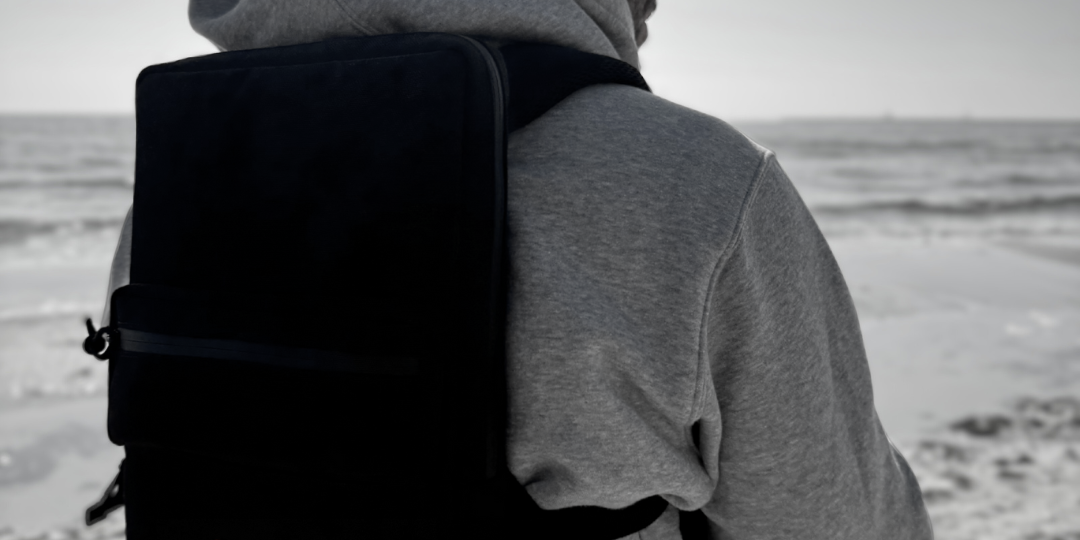
A challenge that can change your routine
What if adding a manageable weight to your walks helped you build a stronger fitness habit? Rucking means walking with a load. It can challenge your muscles and cardiovascular system without requiring a gym. Think of the next 30 days as an opportunity to build consistency—not a promise of a particular physical transformation.
Week 1: Wake up your muscles
During your first few sessions, you may notice:
- Your legs, glutes and core working harder than on an unloaded walk.
- A higher heart rate at your usual walking pace.
- More effort than you expect from a familiar route.
Mindset shift: Everyday walking can become a purposeful training opportunity.
Week 2: Get comfortable with the load
As you practice, you may find it easier to keep the pack stable and walk at a steady pace. Some people notice better confidence with everyday movement. Changes in posture or mental focus are individual and cannot be guaranteed after a set number of days.
Bonus: Regular outdoor movement can offer a welcome break from stress and daily distractions.
Week 3: Build endurance and discipline
With a suitable load and adequate recovery, you may begin to feel more comfortable walking farther. Muscular endurance and aerobic fitness can improve with consistent training.
Just as importantly, keeping a manageable commitment to yourself can build confidence.
Week 4: Notice your progress
After 30 days, you might notice:
- Longer or more comfortable walks.
- Better tolerance of the load.
- A routine that fits your everyday life.
- Greater confidence in your ability to stay consistent.
Results vary with your starting fitness, training frequency, load and recovery. Rucking alone does not guarantee fat loss or a particular body shape.
Ready to try?
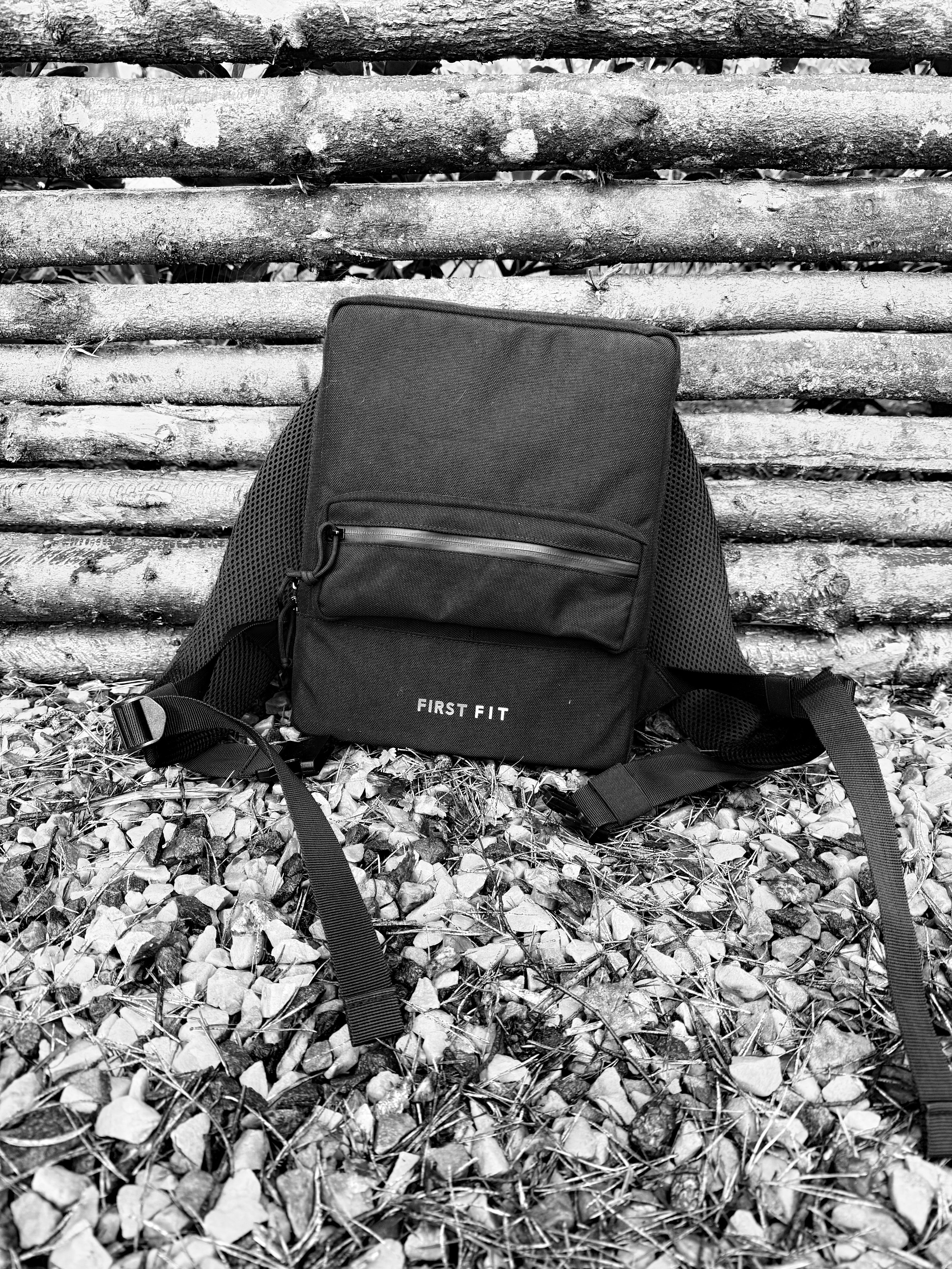
Try building a rucking routine over 30 days. The FIRST FIT bag is designed to make loaded walking part of everyday life.
No pressure—just a manageable challenge.
Small steps, repeated consistently.
Tips for getting started
- Begin with a light load; 5 kg may suit some adults, while others should start lighter.
- Try 20–40 minutes, adjusting the duration to your fitness.
- Add simple bodyweight exercises such as squats or lunges if comfortable.
- Write down how you feel each week.
Change begins with a decision to get moving.
BEFIRSTFIT.