Introduction: We love training, and every body is different. That's why it's worth exploring alternatives. Rucking—walking with weight in a backpack—has become more popular. Here we look at how it compares with running and what the evidence can, and cannot, tell us.
1. How running and loaded walking affect your joints
Running typically produces higher impact forces than ordinary walking, but impact forces alone do not determine injury risk. Running can be healthy for joints when training loads, recovery and individual circumstances are appropriate.
Rucking replaces running's repeated flight-and-landing pattern with walking, but the extra weight increases the load carried by the body. Whether it feels more comfortable depends on the person, the weight, terrain and any existing injury.
For someone who experiences pain while running, walking may be a useful alternative. However, adding weight is not automatically safer, especially for someone with knee, hip, back or foot problems. Seek individualized guidance if you are managing an injury.
2. What is rucking?
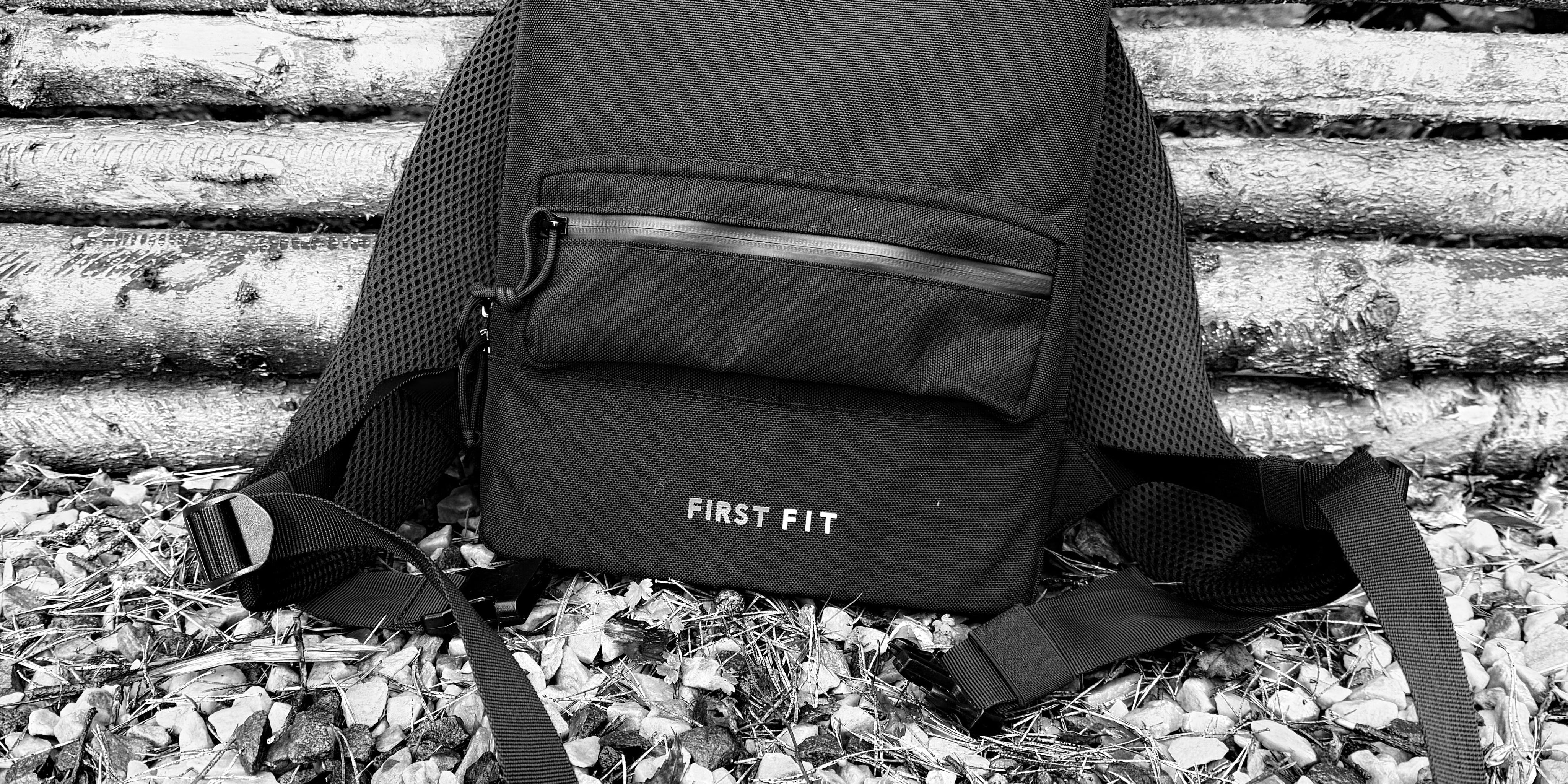
Rucking is walking with an additional load, such as weight plates secured in a backpack. It can raise cardiovascular effort and challenge the legs and trunk more than walking without a load at the same speed. Start with a manageable weight and build gradually.
Rucking is used in military training and recreational fitness, but it doesn't have to be extreme. For many people it is simply another way to make everyday movement more demanding.
3. Our vision at FIRST FIT
We founded FirstFIT to make it easier to incorporate movement into everyday life. Rucking is not a replacement for all other forms of exercise. It is an option to combine with strength training, running or ordinary walking, depending on your goals.
We believe in training that supports a stronger everyday life, without turning every session into an all-out effort.
In closing
Training should be sustainable, enjoyable and suited to your body. Choose a load and pace you can control, and adjust if you experience pain.
💬 Questions? Email us or get in touch on Instagram.
👉 For further reading about running mechanics and running-related injuries, see:
- Nigg et al. (2007), “Biomechanical Considerations on Running”
- Hreljac (2004), “Impact and Overuse Injuries in Runners”
- Macera et al. (1989), “Risk factors for running-related injuries”
#BeFirstFIT